
Mummified kefir grains
Take home message A mummy about 3,500 years old from the Xiahoe cemetery in China. The red arrows point to the kefir grains lying around the neck like a chain (taken from Liu et al., 2024) Lactose conversion SCOBY we …
Take home message A mummy about 3,500 years old from the Xiahoe cemetery in China. The red arrows point to the kefir grains lying around the neck like a chain (taken from Liu et al., 2024) Lactose conversion SCOBY we …
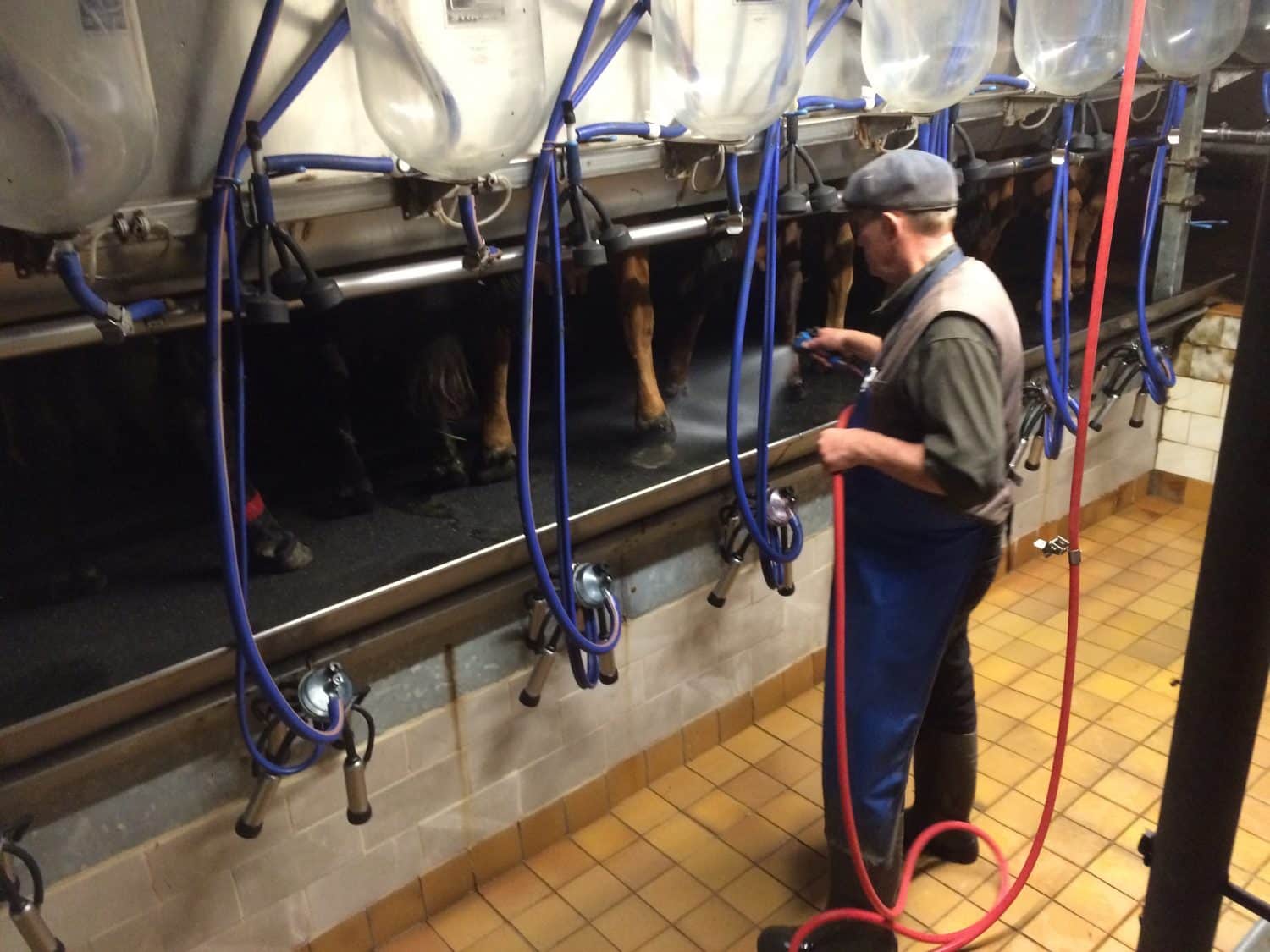
Take home message Fermentation rather than pasteurisation An important goal of pasteurisation of milk is to reduce the germ count, both total and that of specific bacteria, such as E.coli. Usually, pasteurisation is said to be ‘successful’ when the mesophilic …
Take home message 5-day training course During the last week of May 2024, he taught a 5-day course at a Bio-Suisse farm in the Jura. In a tight program, one or two types of cheese were made daily. In addition, …
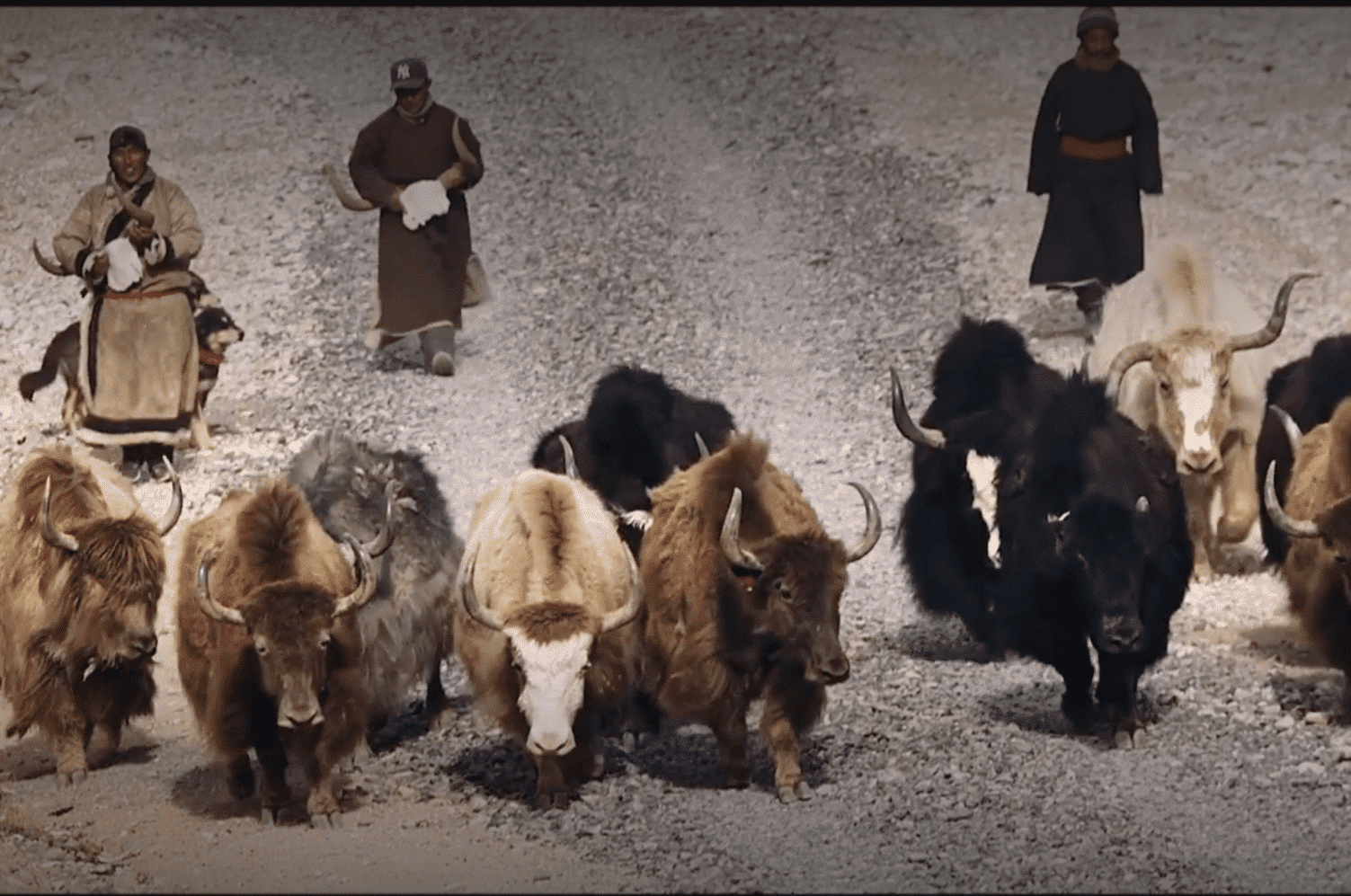
Take home message The habitat of the Yak In northern India, Butan and China (including Himalayas, Ladakh and Highlands of Tibet), nomads live up to high altitudes. They can only survive at this altitude (3000 to 5400 m) because of their Yak (Bos grunniens). Yak are larger ruminants, domesticated by humans like the cow (Auerochs). Yak selection started in India about 7,500 years ago, and there too, like in French Lascaux, one finds petroglyphs depicting …
Take home message The biggest difference in Vitamin K2 content between fermented milk products is due to the use of thermophyle or mesophyle cultures. Thermophyle bacterial cultures produce little or no K2. Certain bacteria, such as Leuconostoc, produce a lot …


