
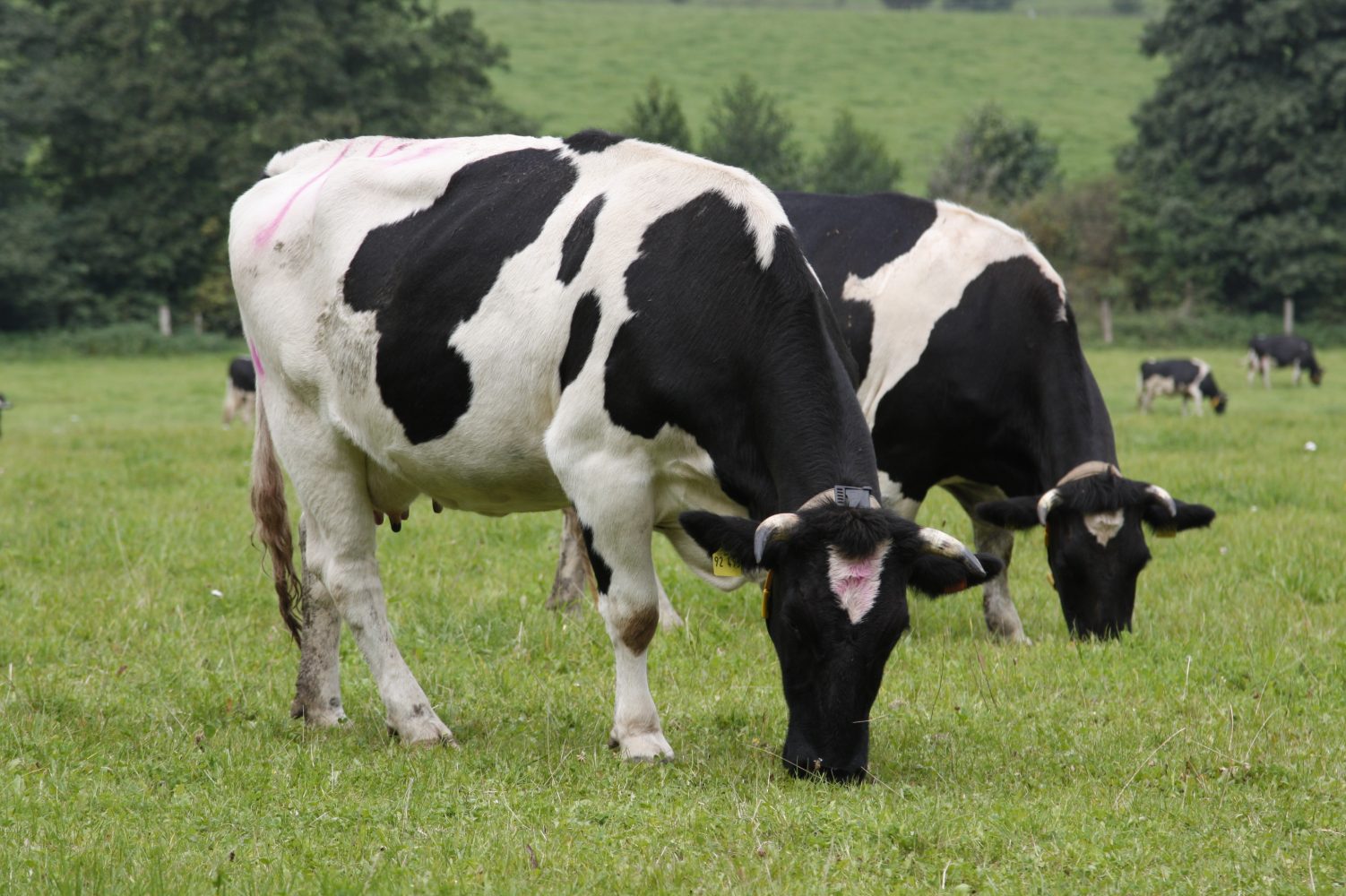
Image grass-fed milk
Take home message What is the deal with grass-fed milk? There are two aspects: the image of the sector and the health aspects for the cow (being outside, building vitamin D, grazing fresh grass) and for the consumer health due …
Take home message What is the deal with grass-fed milk? There are two aspects: the image of the sector and the health aspects for the cow (being outside, building vitamin D, grazing fresh grass) and for the consumer health due …
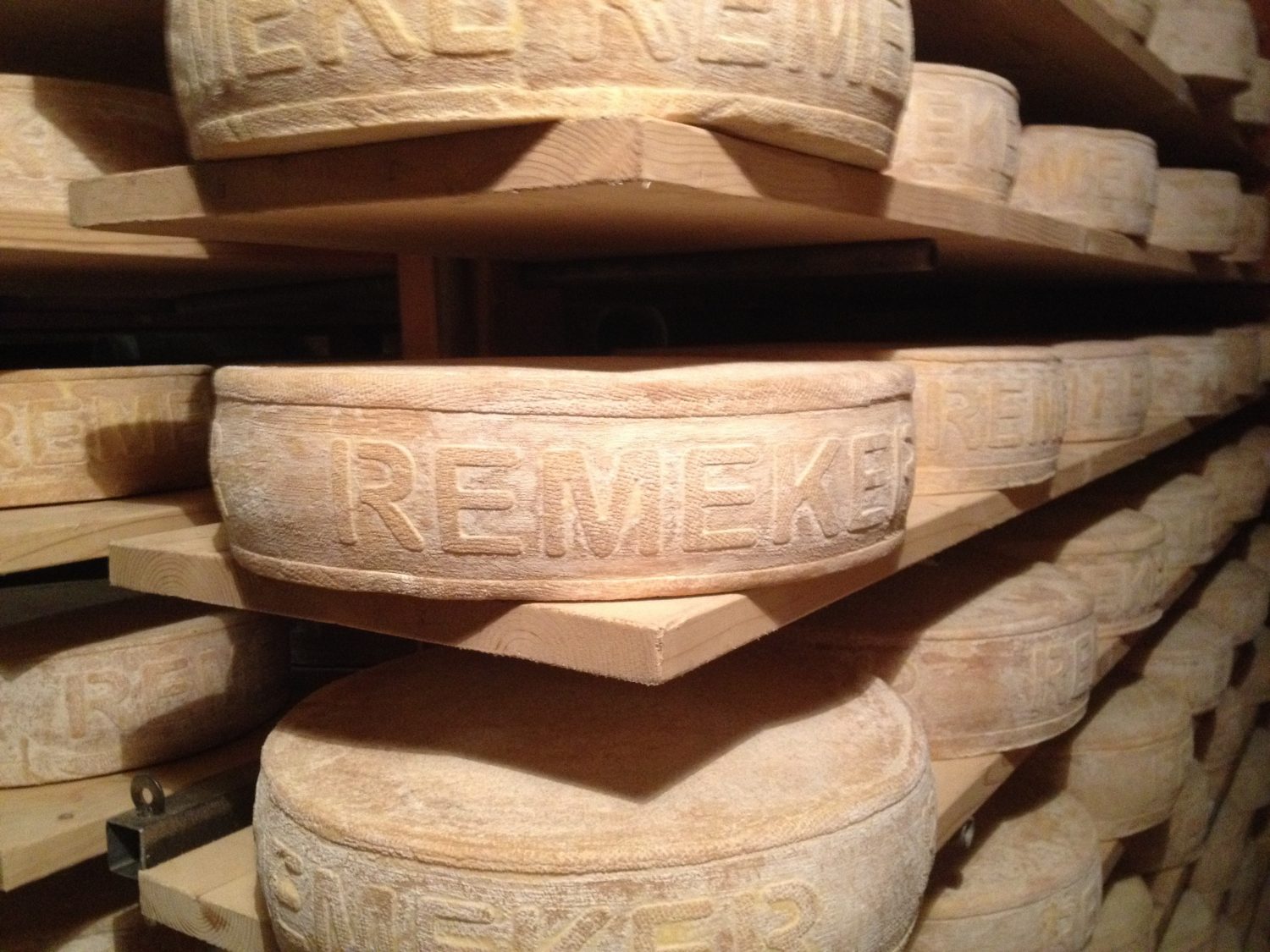
This statement applies at least to the intake of milk fat-bound substances, such as the fat-soluble vitamins A, D, E and K. The University of Maastricht has measured the amounts of vitamin K1 and K2 in various cheeses consumed in …
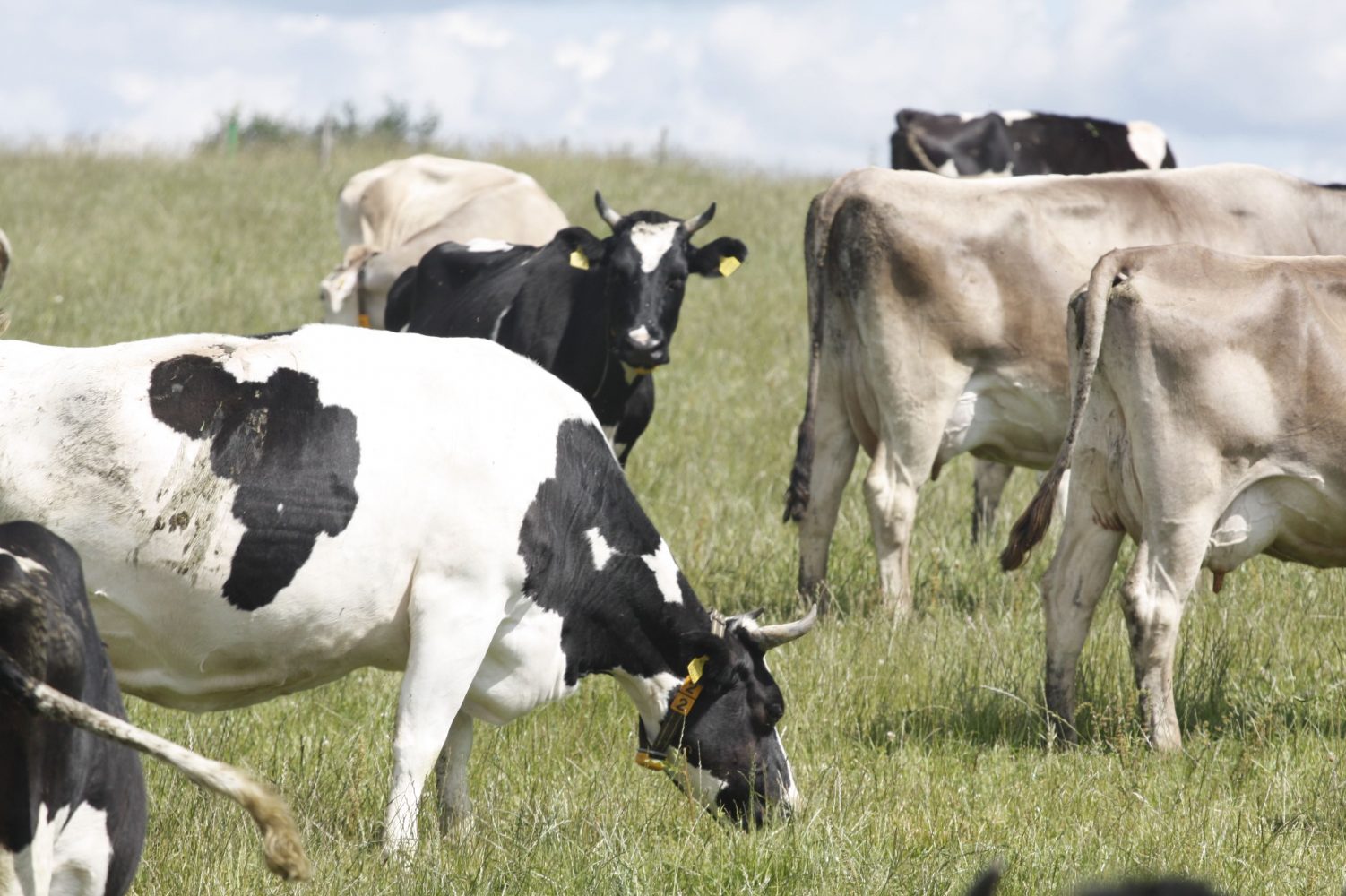
Take home message Milk markers of grass-based systems, grazing and grass intake in cows are CLAc9t11 concentration, a low ratio of n6/n3 (around 1), a high vitamin D3 and phytanic acid concentration in milk fat and a low ratio of …
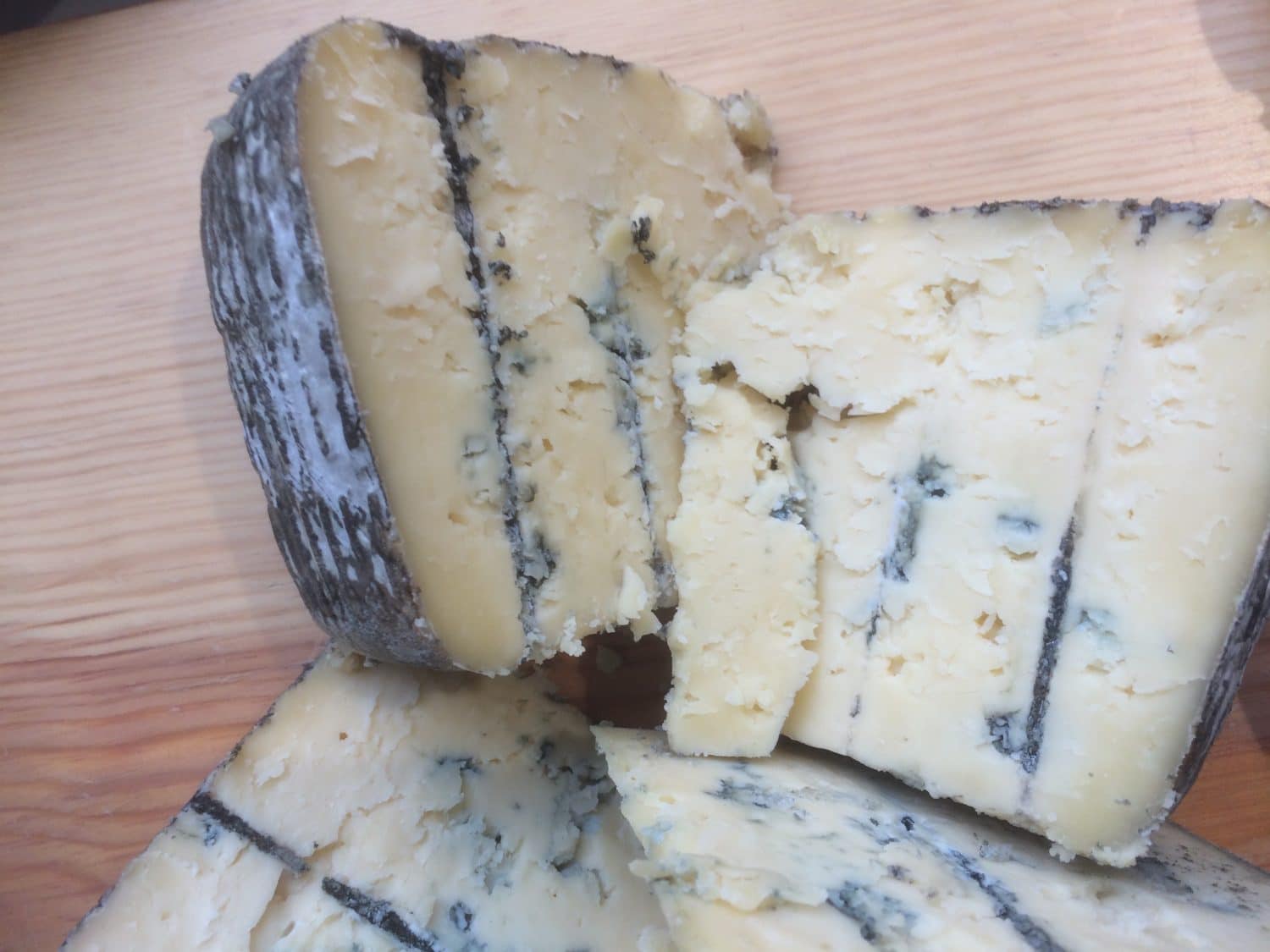
Take home message The biggest difference in Vitamin K2 content between fermented milk products is due to the use of thermophyle or mesophyle cultures. Thermophyle bacterial cultures produce little or no K2. Certain bacteria, such as Leuconostoc, produce a lot …
Take home message: It is advisable to consume fermented milk products regularly. Our intestinal microflora, regularly needs probiotic and prebiotic supplementation for optimal functioning. Vitamin K2 is produced during milk fermentation and the intake of K2 is supportive for cardiovascular …


