
STEC, a Loch Ness monster!
How do you find a needle in a haystack? Currently, effort and money are being invested by the Dutch government to take another step in food safety. Raw milk sale will be released on 1 January 2025, but that comes …
How do you find a needle in a haystack? Currently, effort and money are being invested by the Dutch government to take another step in food safety. Raw milk sale will be released on 1 January 2025, but that comes …
Take home message Persistent plastic microparticles Researchers at the VU-Amsterdam, connected through the “Plastic Soup Foundation” have looked at, where plastic is found in our food. In a pilot, samples were taken from meat, milk, roughage and concentrates. They looked …
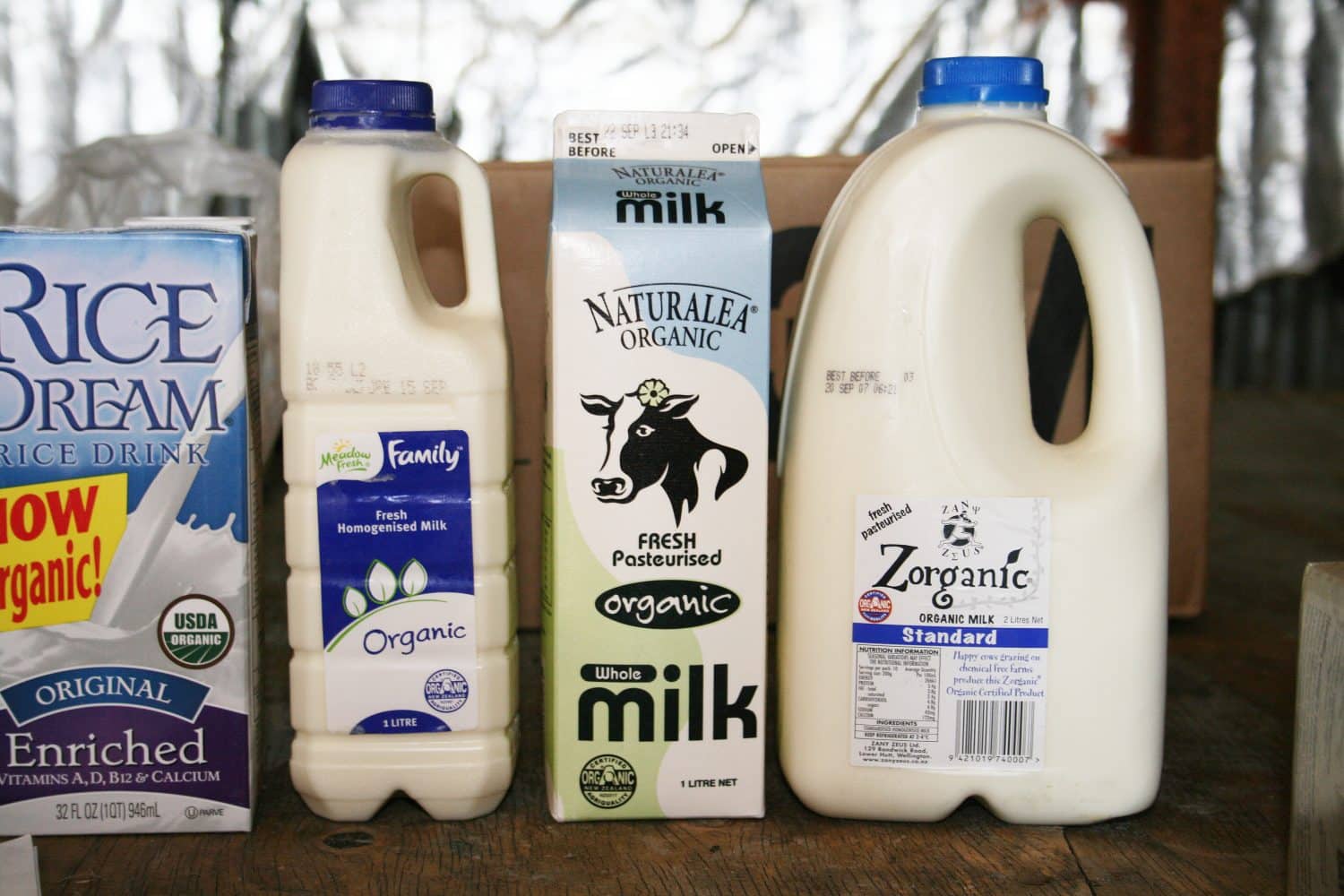
Take home message German milk tested In February 2023, Germany’s Ökotest on milk published pasteurised milk in two forms, traditionally pasteurised (TP) and pasteurised plus mikrofiltration (MF). The difference between the two manifests itself in the shelf life of the …
A new concept is emerging, a new awareness about the actual price and the invisible costs for the future and generations after us on earth. German TV featured a contribution on this topic in relation to our food consumption (Planet …
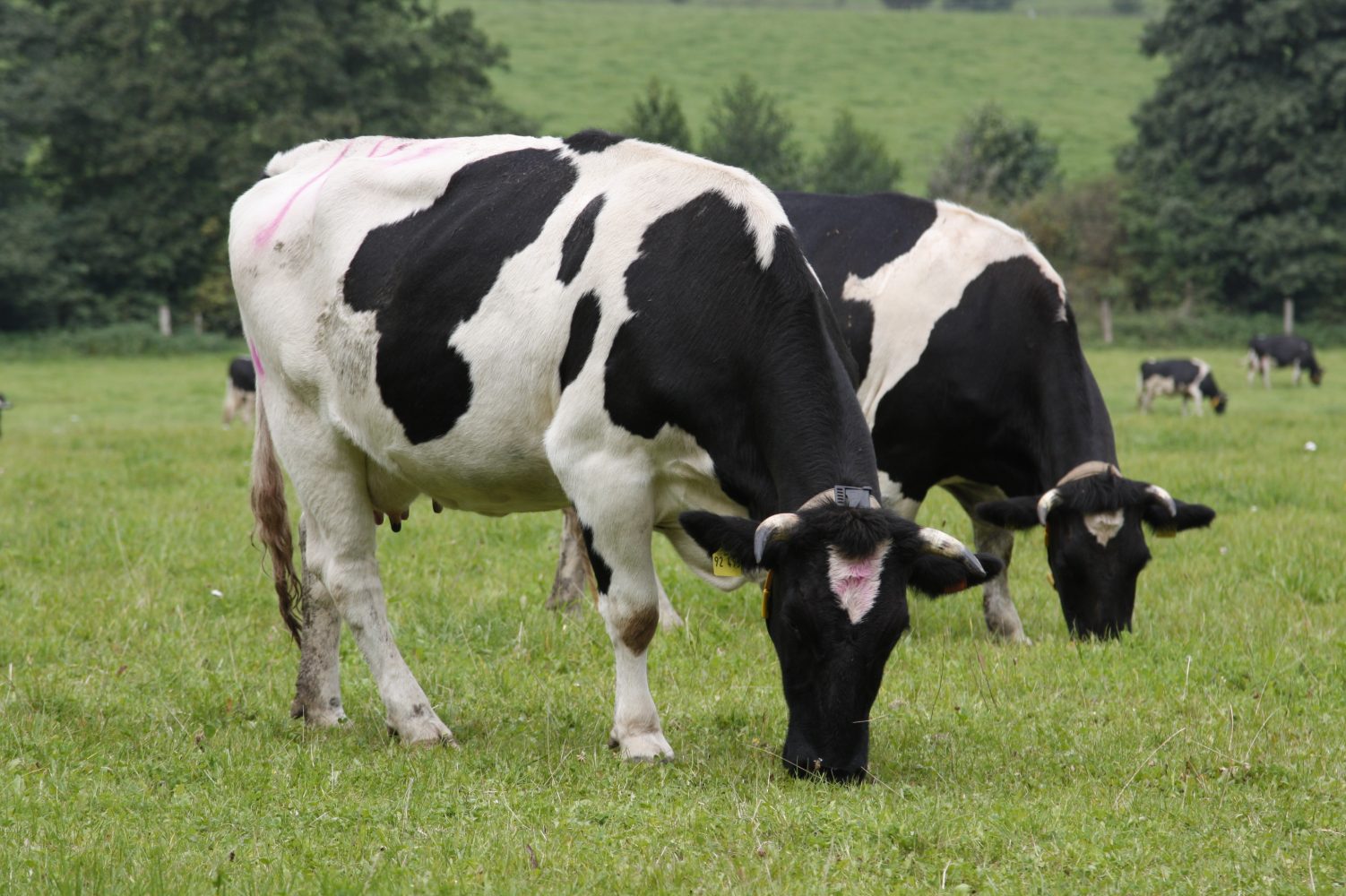
Take home message What is the deal with grass-fed milk? There are two aspects: the image of the sector and the health aspects for the cow (being outside, building vitamin D, grazing fresh grass) and for the consumer health due …
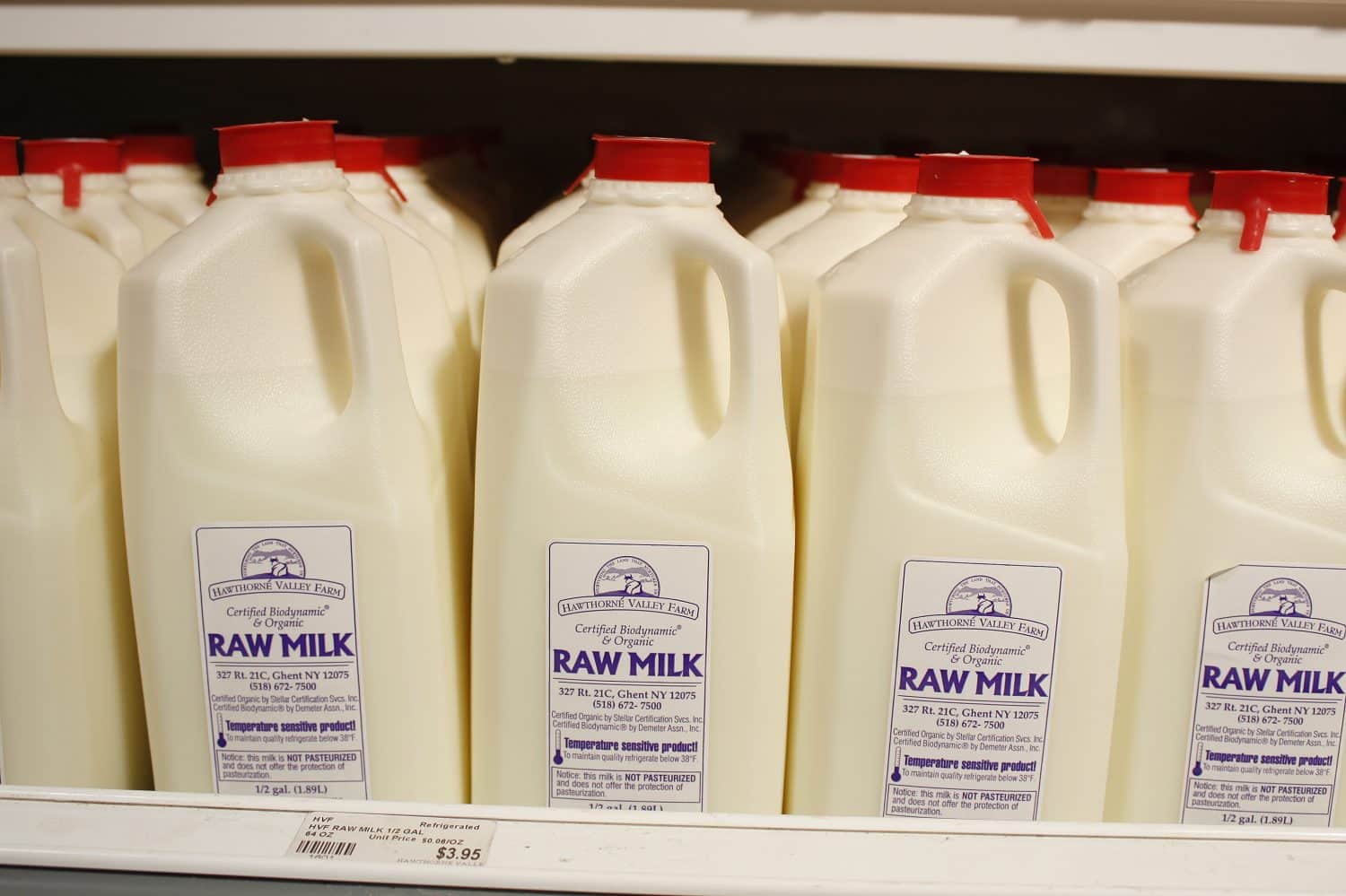
Take home message An explosion of bacteria or viruses is due to their exponential growth. Since the start-up phase is poorly perceived or underestimated by people, actions often lag behind the bacterial growth risks , and may result in consumers …
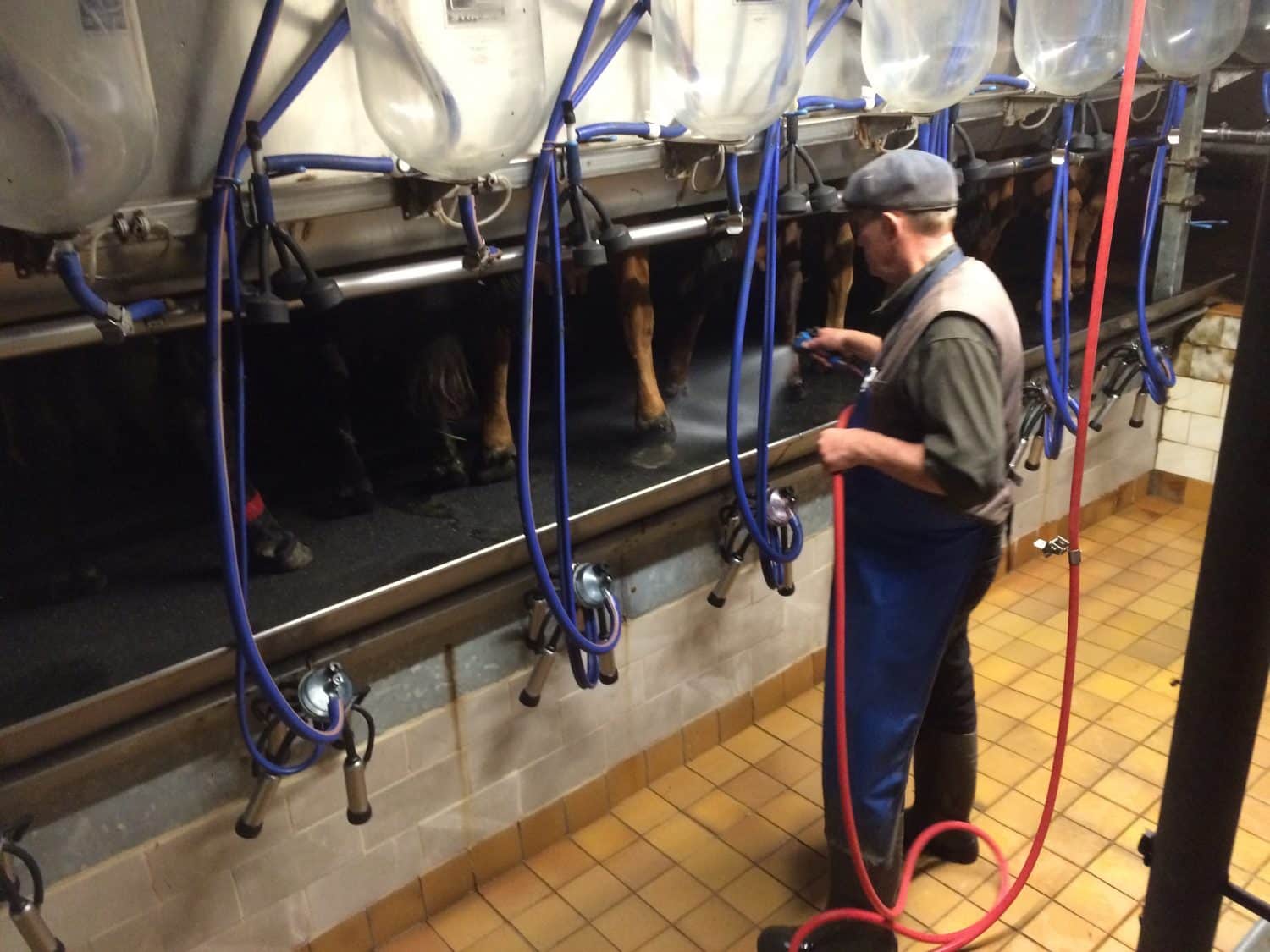
Take home message Milk enzymes change differently when heated. Graphically it can be made clear that each enzyme has its own time and temperature relationship. This makes it clear which enzymes are more and less sensitive to heating. Denaturation and …
Take home message The biggest difference in Vitamin K2 content between fermented milk products is due to the use of thermophyle or mesophyle cultures. Thermophyle bacterial cultures produce little or no K2. Certain bacteria, such as Leuconostoc, produce a lot …
Milk fat consists mainly of triglycerides. Triglycerides consist of three (tri) fatty acids that are chained to a carbon structure made of glycerine. Fatty acids, abbreviated FA, themselves also largely consist of a carbon chain with 4 to 24 carbon …


